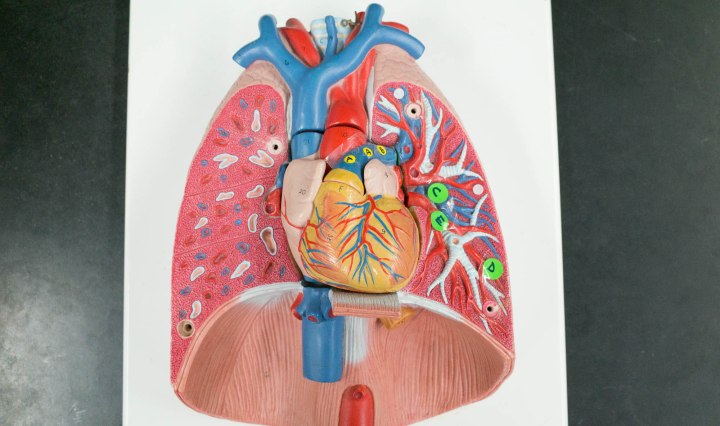
Lung and Heart model
Model showing the relationship between the lung and the heart. Continue reading Lung and Heart model
Model showing the relationship between the lung and the heart. Continue reading Lung and Heart model
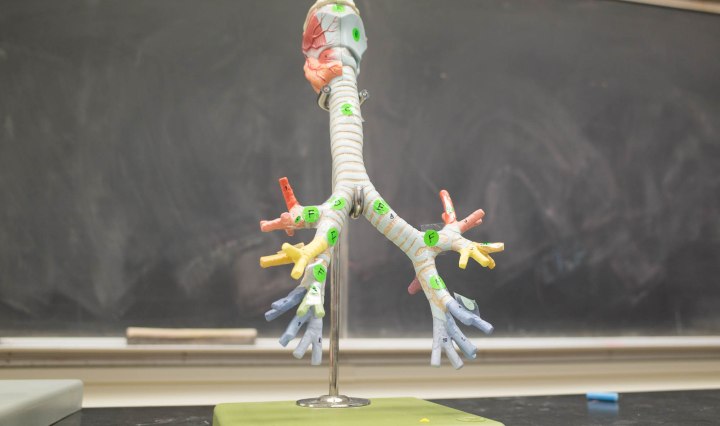
Model showing the lower respiratory tract, from the trachea to tertiary (segmental) bronchi. Continue reading Lower Respiratory Tract model
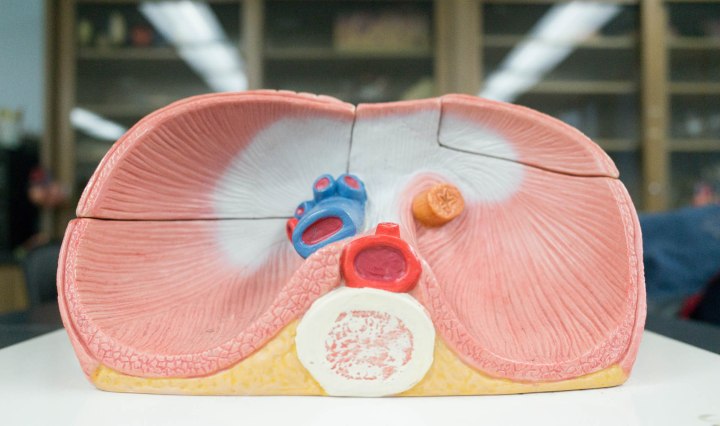
Model showing the inferior view of the diaphragm and the three major openings for aorta, inferior vena cava and esophagus. Continue reading Inferior view of Diaphragm
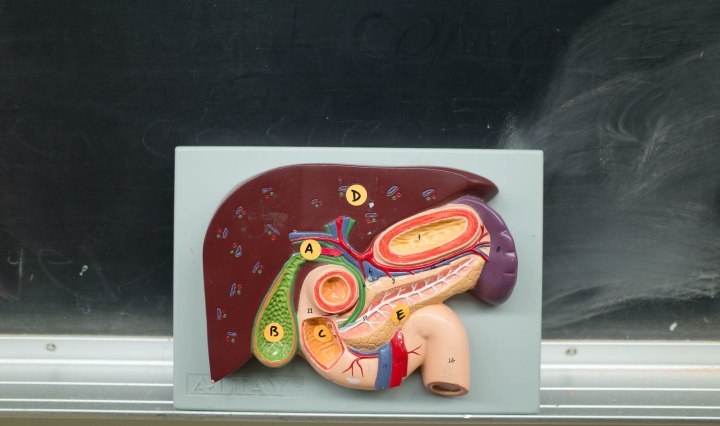
Model showing the relationship between Liver, Pancreas, Gall-bladder and duodenum. Continue reading Liver, Pancreas, Gall-bladder model
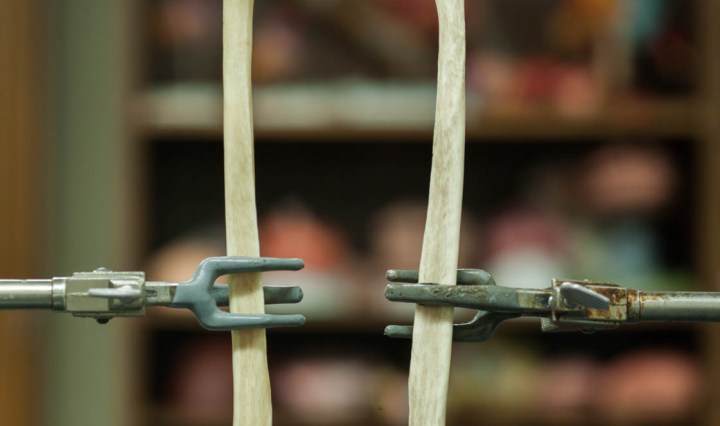
Locate the anterior aspect of Ulna. A good landmark is the trochlear notch. When viewed anteriorly, the radial notch point to the side the bone is from, i.e. left ulna will have the radial notch (see below) on the left … Continue reading Ulna – Left/Right
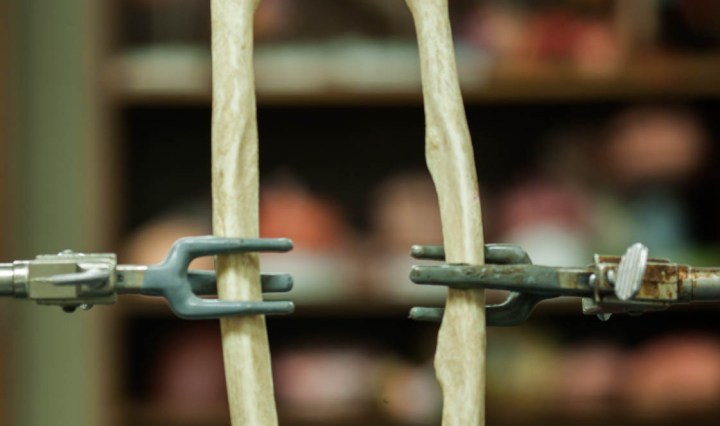
Locate the anterior aspect of the radius bone. At the distal end, the anterior aspect will be smoother than the posterior aspect (there is the dorsal tubercle, a bump). When viewed anteriorly, the radial tubercle towards the proximal end will … Continue reading Radius – Left/Right
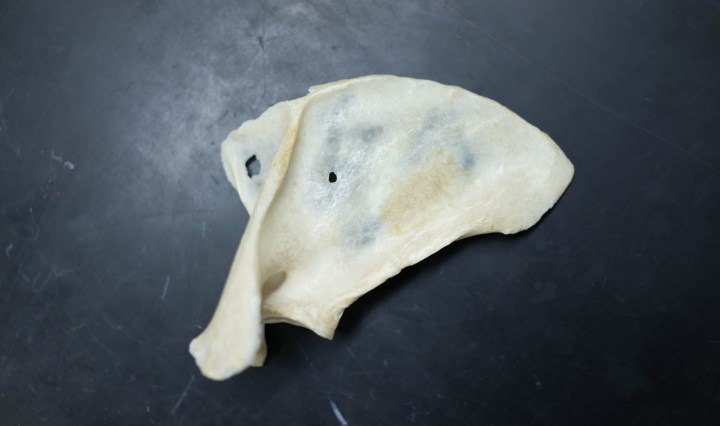
Scapula, also known as the “shoulder blade,” is part of the shoulder girdle and connect the clavicle to the humerus. 4 of the muscles originated from the scapula (Supraspinatus, Infraspinatus, Subscapularis and Teres Minor) form the rotator cuff that surrounds … Continue reading Scapula
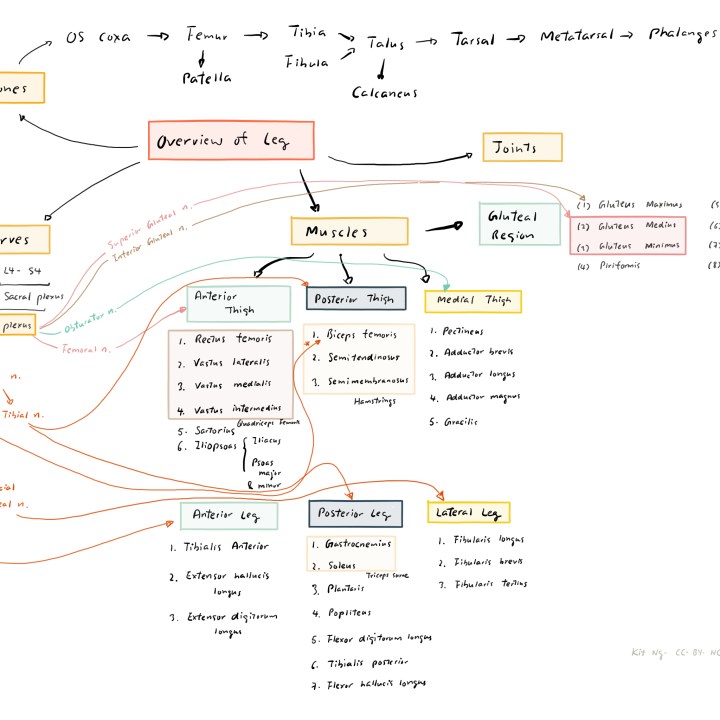
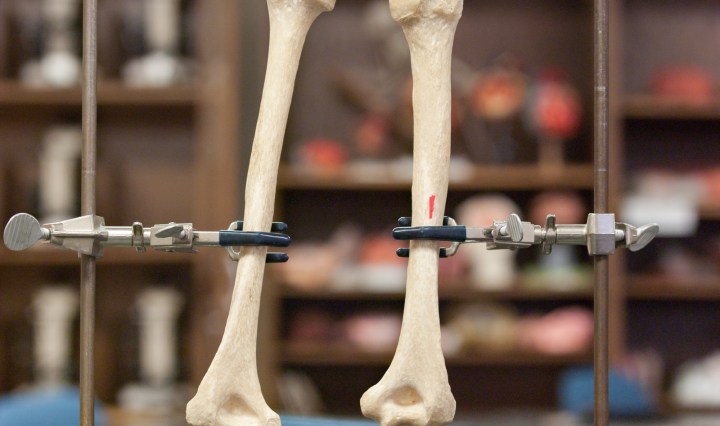
Identify the olecranon fossa that should belong to the posterior side of the humerus With the olecranon fossa pointing at you, notice the head of the humerus should point medially. Continue reading Humerus – Left/Right
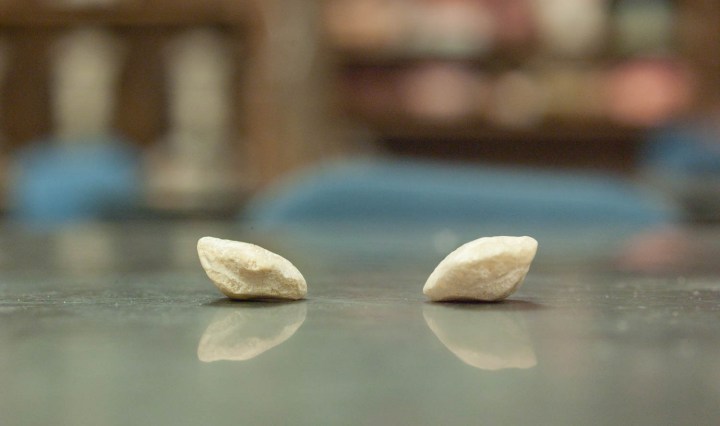
Identify the apex of the patella Point the apex away from you and put it on a flat surface. Whichever side the patella lands on will be the side where it is from. Continue reading Patella – Left/Right
 Kit Ng, Ph.D.