Author: Kit Ng
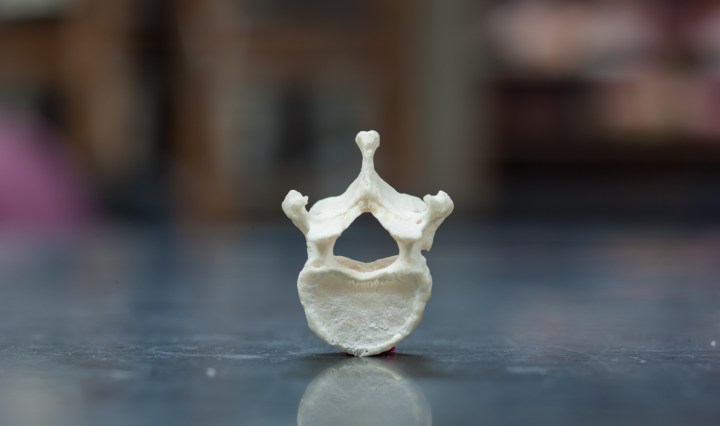
Lumbar vertebra
There are a total of 5 lumbar vertebra, out of which L5 is atypical (see here). Their characteristics include: Spinous processes are short and project posteriorly. Vertebral foramen is triangular, but smaller than those of the cervical vertebra. Articular facets … Continue reading Lumbar vertebra
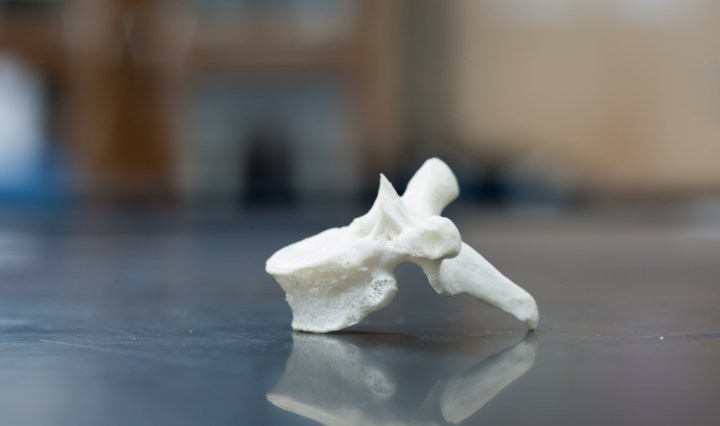
Thoracic vertebra
There are a total of 12 thoracic vertebra. All of them articulate with rib. Their characteristics include: The body is usually taller than they are wide. The body has four demifacets on each side known as Superior and Inferior costal … Continue reading Thoracic vertebra
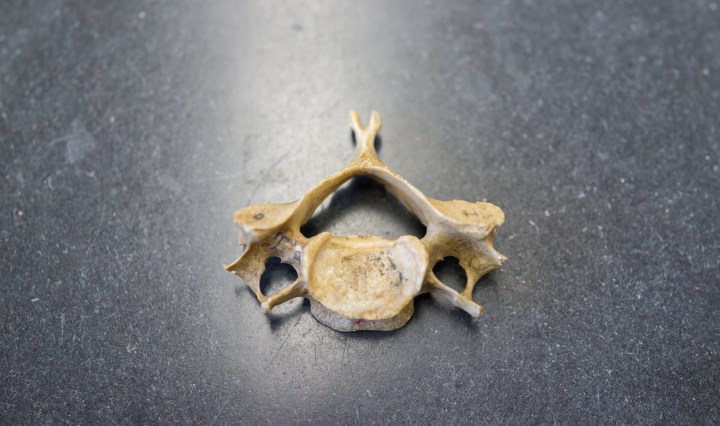
Cervical vertebra
There are a total of 7 cervical vertebra, out of which C1 (Atlas) and C2 (Axis) are atypical. Their characteristics include: The body is wider than than it is tall Spinous process is short and forked, except for C7. Vertebral … Continue reading Cervical vertebra
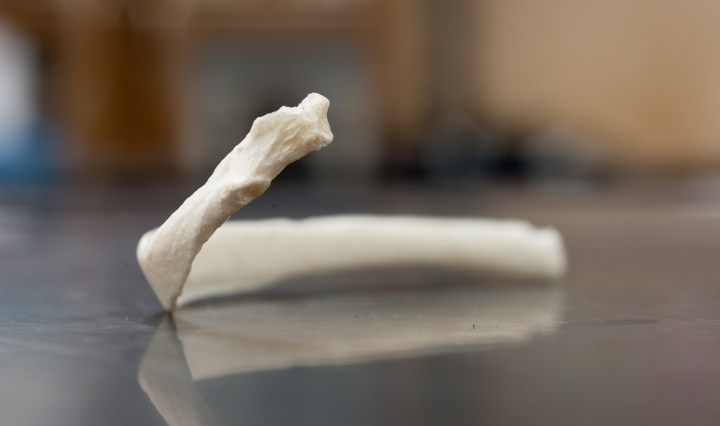
Rib
Ribs are classified as flat bones. They articulate with the thoracic vertebra at the transverse facet and superior+inferior costal facets of the vertebra body posteriorly and with the sternum anteriorly. The seven pairs of ribs that connect via costal cartilage … Continue reading Rib
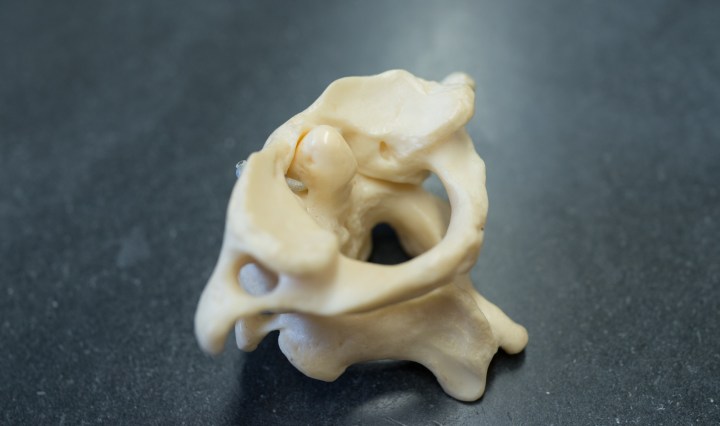
Atlanto-axial Joint of C1 & C2
The atlanto-axial joint is composed of C1 (Atlas) and C2 (Axis). The dens/odontoid process of C2 articulate with the facet located in the anterior arch of C1. It is a pivot joint and primary movement is rotation. Continue reading Atlanto-axial Joint of C1 & C2
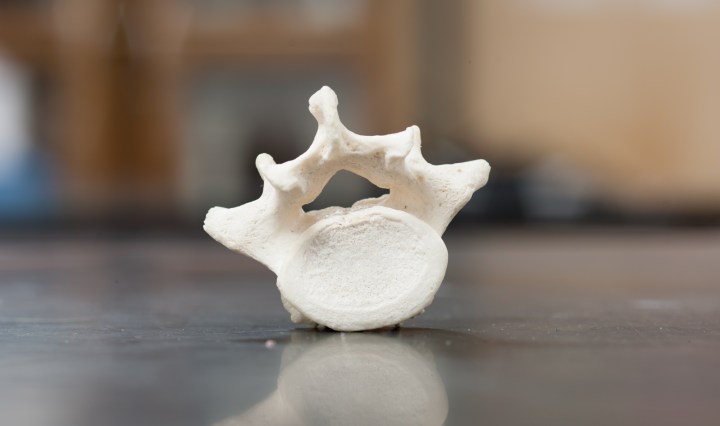
Atypical vertebra: L5
L5 is considered to be an atypical vertebra. It is the largest and strongest lumbar vertebra. Its notable feature would be the transverse processes are thick and fused to both the pedicle and the body. Continue reading Atypical vertebra: L5

References
(Updated: 9-12-2016) Below are my references in making this website. The Amazon links are just for your convenience and I don’t receive any compensations. References (In no particular order) Eroschenko, Victor. diFiore’s Atlas of Histology with Functional Correlations. Lippincott Williams … Continue reading References

Silver deposits within kidney in Argyria
Argyria is a disease caused by chronic exposure and subsequent accumulation of silver dust within the body. The silver particles are known to accumulate in the kidney glomerulus and cause sclerosis. Histologically the glomeruli are stained black. References: Argyria … Continue reading Silver deposits within kidney in Argyria
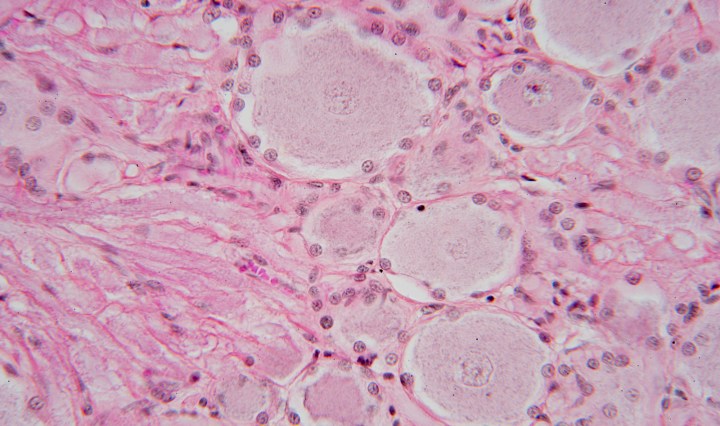
Neuron in the Dorsal Root Ganglion
In the peripheral nervous system, cell bodies of neurons are organized as ganglion. An example would be the Dorsal Root Ganglion that is found in the posterior nerve roots of the spinal cord. The neurons found in it are classified … Continue reading Neuron in the Dorsal Root Ganglion
 Kit Ng, Ph.D.